
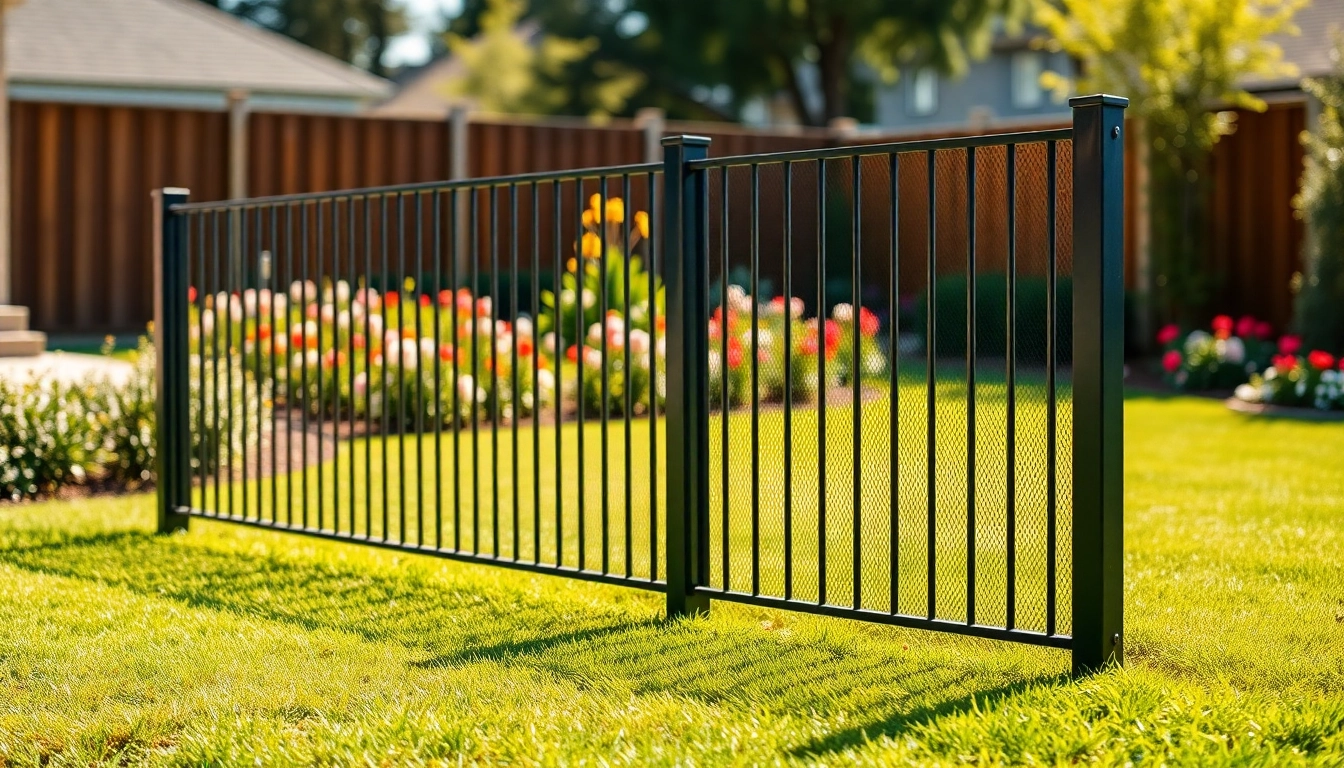
Understanding Metal Fence Panels
What Are Metal Fence Panels?
Metal fence panels are structures designed to enclose and protect residential or commercial properties. These panels are made from various metals such as aluminum, steel, and wrought iron, providing a durable and secure barrier. Unlike traditional wooden fences, metal fence panels offer superior resistance to environmental elements, ensuring longevity and lower maintenance. They come in various styles, heights, and designs to cater to different aesthetic preferences and security needs. For high-quality options, explore www.metalfencepanels.co.uk.
Benefits of Using Metal Over Other Materials
One of the primary benefits of metal fence panels is their unmatched durability. Unlike wood, which can rot, warp, or become infested with pests, metal panels are resistant to such issues and typically have a longer lifespan. Furthermore, metal fences require less maintenance, making them a cost-effective solution in the long run. They are also available in various finishes that resist rust and corrosion, particularly galvanized steel or powder-coated options. Additionally, metal fences contribute significantly to security, offering a robust physical barrier that can deter trespassers effectively.
Different Types of Metal Fence Panels
Metal fence panels come in several varieties, each designed to meet specific needs:
- Chain Link Fencing: Affordable and versatile, chain link fences are ideal for allowing visibility while providing minimal obstruction.
- Wrought Iron: Known for its ornate designs, wrought iron offers exquisite aesthetics alongside strength and security.
- Aluminum Fencing: Lightweight and rust-resistant, aluminum fencing is often used for residential properties, providing a stylish and low-maintenance option.
- Steel Panels: Heavy-duty steel panels are preferable for high-security applications, offering maximum strength and durability.
Factors to Consider When Selecting Panels
Assessing Your Property Needs
When choosing metal fence panels, it is essential to assess your property’s specific needs. Consider the intended purpose of the fence—whether for security, privacy, or aesthetics. Evaluate the local environmental factors, such as high winds or heavy rainfall, as this may influence your choice of materials and fencing styles. Additionally, local zoning laws and HOA regulations should be reviewed to ensure compliance regarding height, materials, and design.
Evaluating Panel Durability and Maintenance
Different metal types offer varying levels of durability and maintenance requirements. For instance, galvanized steel panels are highly resistant to corrosion but may need occasional inspections to prevent rust. Wrought iron is durable but can require periodic painting to protect against moisture. Consider the location and climate of your property when selecting materials, as these factors will significantly influence long-term performance and upkeep requirements.
Cost vs. Value Analysis
While initial costs of metal fencing may be higher than wood, the long-term value often outweighs the upfront investment. Analyze the lifespan, maintenance needs, and potential property value increase that metal fencing can provide. Metal fences can last decades, while wooden alternatives may need replacing every 5-10 years. Understanding these factors can help you make a financially sound decision.
Installing Metal Fence Panels
Preparation Steps for Installation
Before installation, proper preparation is crucial. Start by marking the perimeter of the intended fence area, using stakes to outline where posts will go. Obtain necessary permits and ensure compliance with local regulations. Clear the area of any obstructions, including plants, rocks, or debris that could impede the placement of fence panels.
Tools Required for Installation
To ensure a smooth installation process, gather the following tools:
- Post hole digger or auger
- Level
- Measuring tape
- Concrete mix (for setting posts)
- Screwdriver or wrench (for fastening panels)
- Safety goggles and gloves
Professional Installation vs. DIY
Deciding whether to hire professionals or do it yourself can depend on several factors, including your level of expertise and the complexity of the fence design. While DIY can save money, installing metal fence panels may require specific skills and equipment. If the project involves detailed work or local regulations mandate certain specifications, hiring a licensed contractor may be beneficial.
Enhancing Security and Aesthetics with Metal Fencing
Design Options for Metal Fence Panels
Metal fencing is available in various designs that can enhance your property’s aesthetics, from sleek modern lines to intricate patterns of wrought iron. Choose a style that complements your home’s architecture and landscaping. Additionally, customized options such as decorative post caps or gate designs can further elevate the visual appeal of your metal fence.
Integrating Landscaping with Metal Fencing
To create a harmonious look, integrating landscaping elements with your metal fencing is advisable. Planting low-maintenance shrubs or flowers along the fence line can soften the visual impact of the panels. Additionally, using climbing plants or trellises in conjunction with a wrought iron fence can create an attractive and welcoming environment while providing added privacy and screening.
Enhancing Property Value with Fencing
Proper fencing plays a vital role in enhancing property value. A well-constructed metal fence can offer increased security and aesthetic appeal, making a property more attractive to potential buyers. Furthermore, the longevity and low maintenance associated with metal fencing can be appealing to prospective homeowners looking for durable solutions.
Maintaining Your Metal Fence Panels
Best Practices for Cleaning
Regular cleaning of metal fence panels is crucial to prevent grime and rust buildup. Use mild soap and warm water for cleaning, along with a soft cloth or sponge to avoid scratching the surface. For more stubborn stains or rust, a wire brush can be used carefully. It’s advisable to perform this maintenance at least once a year, particularly in areas with high humidity or pollution.
Regular Inspections and Repairs
Conduct regular inspections of your metal fence to identify signs of wear or damage. Look out for rust spots, loose fittings, or bent panels. Prompt repairs can prevent further deterioration and ensure the longevity of your fencing. If a section of the fence becomes compromised, replacing it sooner rather than later will help maintain the overall integrity of the fence.
Protective Coatings and Treatments
Applying protective coatings can significantly extend the life of your metal fence panels. Options like galvanization provide a protective zinc coat against rust and corrosion. For additional protection, consider repainting with high-quality metal paints specifically designed for outdoor use. This can also enhance the fence’s aesthetic appeal and overall appearance.
Frequently Asked Questions
What should I consider when choosing the height of metal fence panels?
Consider local regulations, privacy needs, and aesthetic preferences to choose the right height for your metal fence panels.
Are metal fence panels better than wood?
Metal fence panels offer greater durability, lower maintenance, and better resistance to environmental elements compared to wood.
How do I maintain my metal fence panels?
Regular cleaning, inspections for rust, and applying protective coatings will help maintain the appearance and longevity of your metal fence panels.
Can I install metal fence panels myself?
Yes, with the right tools and preparation, you can install metal fence panels yourself, but consider hiring professionals for complex designs.
What styles of metal fence panels are available?
Metal fence panels come in various styles, including chain link, wrought iron, and aluminum, catering to both functional and aesthetic needs.


