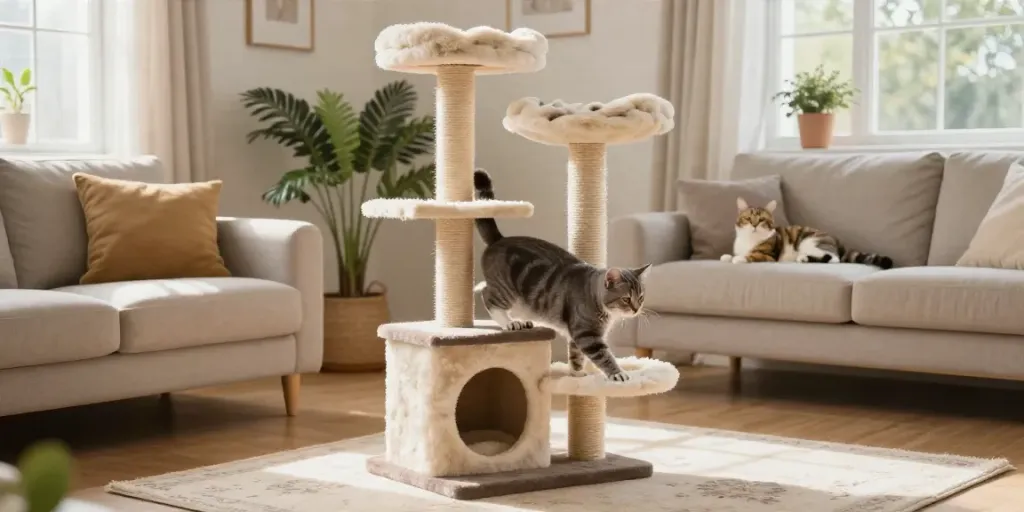
Understanding the Importance of Cat Trees
Cat trees serve as more than just a piece of furniture; they are essential tools for promoting the health and well-being of our feline friends. As responsible pet owners, understanding the significance of a cat tree in your home can dramatically enhance your cat's quality of life. From providing physical exercise to mental stimulation, cat trees encourage natural behaviors and create a safe environment for your pet.
Why Cat Trees are Essential for Cat Wellness
Every cat has an innate desire to climb, explore, and establish vertical territory. A cat tree satisfies these instincts by providing a designated space that mimics their natural habitat. Additionally, cat trees can help prevent obesity by promoting active play and exercise. Regular use of a cat tree can lead to improved muscle tone, joint health, and overall physical health, making it a vital addition to any cat owner's home.
Common Misconceptions About Cat Trees
Despite their importance, there are several misconceptions surrounding cat trees. One prevalent myth is that they are only for young or playful cats. In reality, cats of all ages can benefit from a cat tree. Older cats may find comfort in a multi-level structure that allows them to observe their surroundings without excessive jumping. Another misconception is that cat trees take up too much space. With a variety of sizes and styles available, there are options suitable for every living situation, including compact models ideal for smaller homes.
How Cat Trees Promote Natural Behaviors
Cat trees are designed to cater to a cat's natural behaviors, such as climbing, scratching, and lounging. By providing perches, hideaways, and scratching posts, cat trees encourage exploration and play. They also give your cat a place to retreat, which is essential for stressed or anxious felines. This safe haven can significantly reduce behavioral issues stemming from anxiety or territorial disputes, making your home a more harmonious space.
Choosing the Right Cat Tree for Your Feline
Choosing the right cat tree involves several considerations tailored to meet the unique needs of your feline companion. A well-selected cat tree should match your cat's personality, physical needs, and your home environment.
Factors to Consider When Selecting a Cat Tree
- Height and Stability: Ensure the tree is tall enough for your cat to satisfy its climbing instincts but stable enough to support their weight without tipping.
- Material Quality: Look for sturdy materials such as wood or solid plywood over flimsy particleboard, which can warp or break easily.
- Design Features: Consider models with multiple levels, perches, hideaways, and scratching posts to provide a variety of engagement opportunities for your cat.
- Ease of Assembly: Some cat trees come pre-assembled, while others require setup. Choose one that fits your DIY comfort level.
Size and Space Considerations for Different Breeds
Different cat breeds have varying requirements when it comes to climbing and perching. For instance, larger breeds like Maine Coons may need a sturdier and more spacious cat tree to accommodate their size. Conversely, smaller breeds may find delight in more compact designs. Additionally, the amount of space you have available will influence your choice. A stylish corner cat tree can fit perfectly in a small living area without overwhelming the space.
Material Quality and Safety in Cat Tree Construction
Safety is paramount when selecting a cat tree. Evaluate materials for toxicity, sharp edges, and stability. Look for trees made with non-toxic finishes and fabrics that are safe for your cat to interact with. Always prioritize well-constructed cat trees to prevent accidents and ensure durability through years of play.
Top Cat Tree Features that Cats Love
Not all cat trees are created equal; some features can significantly enhance a cat's enjoyment and engagement with their tree.
Understanding Cat Behavior and Play Preferences
Understanding your cat's behavior is crucial when selecting features. Some cats love to climb and would benefit from a tall tree with multiple levels, while others might prefer seclusion in a cozy hidey hole. Pay attention to your cat's preferences and choose a tree that caters to their specific play style and personality.
Multi-Level Structures vs. Single Level Trees
Multi-level structures offer enhanced play opportunities, allowing cats to jump, hide, and watch from various vantage points. Single-level trees, while simpler, can be perfect for smaller cats or elderly pets who might struggle with climbing. Choose the type that suits your cat's age and activity level.
Incorporating Scratching Surfaces and Toys
Every cat tree should include scratching surfaces to protect your furniture from damage and provide your pet with an outlet for their scratching needs. Look for trees with sisal-wrapped posts or carpeted surfaces. Additionally, incorporating hanging toys can entice your cat to engage in play, further enriching their environment.
Maintenance and Care for Your Cat Tree
Proper maintenance will extend the lifespan of your cat tree and keep your home looking fresh and clean.
Cleaning and Refreshing Your Cat Tree
Regular cleaning is essential for maintaining hygiene. Vacuuming the surfaces and spot-cleaning any stains will keep odors at bay. For deeper cleans, check the manufacturer's guidelines for washing removable covers or using suitable cleaning solutions.
Identifying Wear and Tear: When to Replace
Inspect your cat tree regularly for signs of wear, such as frayed scratching posts, loose parts, or worn-out platforms. If the tree no longer provides the necessary stability or becomes unsafe, it’s time for a replacement. Investing in a high-quality cat tree can make a difference in longevity and performance.
Enhancing Cat Tree Features with Accessories
Consider adding accessories like cat beds or additional scratching surfaces to your cat tree to enhance its functionality. Cat-friendly blankets or cushions can make perches more inviting, while extra play items can keep your cat engaged and entertained.
Future Trends in Cat Tree Design and Functionality
The world of cat furniture is evolving, with innovative designs and features coming to the forefront. As pet owners become more discerning about their purchases, manufacturers are adapting to meet these demands.
Innovative Materials and Eco-Friendly Options for 2026
As sustainability becomes a priority, many brands are introducing cat trees made from eco-friendly materials. These sustainable options not only benefit the environment but also ensure your cat interacts with non-toxic products. Materials like recycled wood or organic fabrics are becoming increasingly popular.
Smart Technology Integration in Cat Trees
Smart technology is making its way into pet products, including cat trees. Features such as built-in sensors that monitor your cat's activity levels or health data can provide insights into your pet's well-being. This integration offers a modern twist on traditional cat trees, bringing functionality into the digital era.
Predictions for Cat Furniture Trends in the Coming Years
Looking ahead, we can expect to see an increase in customizable designs that cater to the unique preferences of both cats and their owners. Modular cat trees that allow for personal configuration of arrangements will likely gain popularity, enabling owners to create a space that perfectly suits their home and pet.
Frequently Asked Questions About Cat Trees
Is it worth getting a cat tree?
Absolutely! Cat trees provide a variety of benefits for your feline friend, including exercise, a safe space for relaxation, and an outlet for their natural instincts.
How much should I spend on a cat tree?
Prices for cat trees can vary widely depending on size, quality, and features. Basic models may start around £30, while premium options can exceed £200. Consider your budget and your cat’s needs when making a decision.
What are the best materials for cat trees?
Look for cat trees made of sturdy wood, plywood, or high-quality fiberboard with finishes that are non-toxic. Safety and durability should be your primary concerns when selecting materials.
Can cat trees help with behavior issues?
Yes! Providing a dedicated space for climbing, scratching, and hiding can alleviate stress and anxiety, reducing undesirable behaviors such as scratching furniture or excessive vocalization.
How often should I replace my cat tree?
Replacement frequency can vary based on your cat's activity level and the quality of the tree. Generally, a well-maintained cat tree can last anywhere from 3 to 10 years. Regular inspections will help determine when it’s time for a new one.