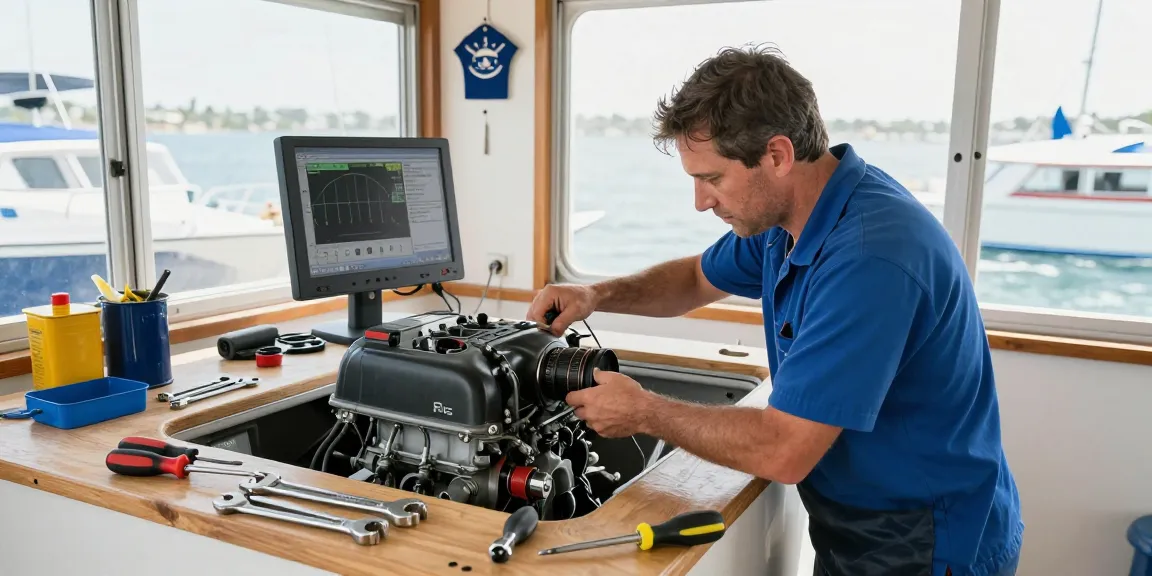
Understanding Boat Engine Repair Basics
Boat engine repair is a crucial aspect of maintaining your vessel's performance and safety on the water. With the complexities of marine engines—ranging from two-stroke outboards to powerful diesel engines—understanding the basics of repair can save you time, money, and potential maritime mishaps. Whether you're a seasoned sailor or a new boat owner, knowledge of boat engine repair is essential to ensure optimal function and longevity of your investment. When exploring options, Boat engine repair services can provide comprehensive insights into the types of repairs you may need.
What is Boat Engine Repair?
Boat engine repair involves diagnosing and fixing issues that affect a vessel's propulsion system. This process includes both mechanical and electrical repairs to ensure that the engine operates efficiently and safely. Common tasks associated with boat engine repair include troubleshooting starting problems, fixing overheating issues, and addressing fuel system failures. Many repairs can be performed by the boat owner, while others may require professional assistance.
Common Types of Boat Engines and Their Mechanisms
Boat engines come in various configurations, each with distinct repair and maintenance needs. The most common types include:
- Outboard Engines: These are mounted on the transom and consist of a complete propulsion system. Their modular nature makes them easier to maintain and repair.
- Inboard Engines: These engines are located within the boat's hull and are connected to a drive shaft, providing better stability. However, repairs may be more complex due to their enclosed installation.
- Inboard/Outboard Engines (I/O): This type combines features of both inboard and outboard engines. They can be more challenging to work on due to their hybrid nature.
Signs Your Boat Engine Needs Repair
Identifying signs of engine trouble early can help prevent costly repairs down the line. Common indicators that your boat engine requires attention include:
- Unusual noises, such as knocking or grinding sounds.
- Excessive smoke or steam from the engine compartment.
- Difficulty starting the engine, or failure to start altogether.
- Warning lights appearing on the dashboard.
- Loss of power or sluggish acceleration.
Essential Tools for Boat Engine Repairs
Must-Have Tools for DIY Boat Maintenance
Equipping yourself with the right tools is essential for effective boat engine repair. Here’s a list of must-have tools for DIY enthusiasts:
- Wrenches and Sockets: Various sizes for loosening and tightening bolts.
- Screwdrivers: Both flat and Phillips for different fasteners.
- Multimeter: Essential for diagnosing electrical issues.
- Diagnostic Tools: Code readers specific to marine engines can help pinpoint problems.
- Manuals: Engine service manuals provide specifications and troubleshooting guidance.
How to Choose Quality Repair Tools
When selecting tools for boat engine repairs, quality should be a top priority. Look for:
- Durability: Tools should withstand the marine environment, which is often harsh.
- Ergonomics: Comfortable handles and grips can reduce fatigue during long work sessions.
- Brand Reputation: Trusted brands tend to offer reliable products with warranties.
Safety Equipment When Working on Boat Engines
Safety should never be compromised during repairs. Equip yourself with essential safety gear, such as:
- Safety Glasses: Protect your eyes from debris and chemicals.
- Gloves: Use oil-resistant gloves to protect your hands from cuts and chemicals.
- Hearing Protection: If you're working near loud machinery, ear protection is essential.
Common Boat Engine Problems and Solutions
Engine Starting Issues: Diagnosis and Fixes
Starting issues can be frustrating and often stem from battery, fuel, or ignition problems. To diagnose:
- Check the battery charge and connections.
- Inspect fuel lines and filters for clogs.
- Test the ignition system components.
Solutions may include replacing a dead battery, cleaning fuel filters, or replacing spark plugs.
Overheating: Causes and Effective Remedies
Engine overheating can lead to severe damage. Common causes include:
- Obstructed cooling passages or intakes.
- Low coolant levels or leaks.
- Defective thermostat or water pump.
To remedy overheating, ensure the cooling system is free of debris, check fluid levels, and replace damaged components as necessary.
Fuel System Problems: Troubleshooting Guide
The fuel system is vital for engine performance. Issues can include:
- Clogged fuel filters, which restrict flow.
- Old or contaminated fuel, leading to poor combustion.
- Faulty fuel pumps that fail to deliver the required pressure.
Regularly replacing fuel filters and using additives can help maintain the fuel system's health.
Best Practices for Boat Engine Maintenance
Routine Checks to Extend Engine Life
Regular maintenance is key to prolonging the lifespan of your boat engine. Consider these routine checks:
- Inspecting oil levels and changing oil as per the manufacturer's recommendations.
- Examining belts and hoses for signs of wear or fraying.
- Cleaning or replacing air filters to ensure optimal air intake.
Winterizing Your Boat: Essential Steps
Proper winterization can prevent significant damage from freezing temperatures. Essential steps include:
- Draining all fluids to avoid freezing and cracking.
- Adding antifreeze to the engine and fuel system.
- Storing the boat in a secure, dry location.
Seasonal Maintenance Tips for Optimal Performance
As seasons change, so do maintenance needs. Here are tips for each season:
- Spring: Inspect all systems and perform necessary repairs before the boating season.
- Summer: Regularly check for fuel quality and water levels.
- Autumn: Start preparing for winterization, ensuring you cover all bases.
Future Trends in Boat Engine Repair
Innovations in Marine Engine Technology by 2026
As the industry evolves, new technologies are emerging to enhance engine performance and reduce environmental impact. Expect to see:
- Increased adoption of electric engines, which offer cleaner alternatives.
- Enhanced diagnostic tools that use AI for predictive maintenance.
- Lightweight materials that improve fuel efficiency and performance.
Eco-Friendly Practices in Boat Maintenance
Environmental concerns are leading to a shift towards eco-friendly practices. Consider these:
- Using biodegradable lubricants and cleaners.
- Implementing recycling programs for old parts.
- Purchasing sustainable materials for repairs and maintenance.
How Smart Technology is Changing Boat Repairs
Smart technology is revolutionizing marine repairs by providing real-time insights into engine performance. Features to look for include:
- Remote monitoring systems that alert owners to potential issues.
- Automated maintenance reminders based on usage patterns.
- Integration with mobile apps for easier access to service records and diagnostics.
What are the most common boat engine issues?
Common issues include starting problems, overheating, and fuel system malfunctions. Regular maintenance can help prevent these issues.
How often should I service my boat engine?
Servicing should be done at least once a year, but more frequently based on usage, environmental conditions, and manufacturer recommendations.
Can I repair my boat engine myself?
Many boat engine repairs can be done by the owner, especially with basic knowledge and tools. However, complex repairs may require professional assistance.
What tools do I need for basic boat engine repairs?
Essential tools include wrenches, screwdrivers, a multimeter, diagnostic tools, and service manuals specific to your engine type.
How do I prevent engine problems in my boat?
Preventive measures include regular maintenance checks, timely oil changes, and proper winterization procedures.