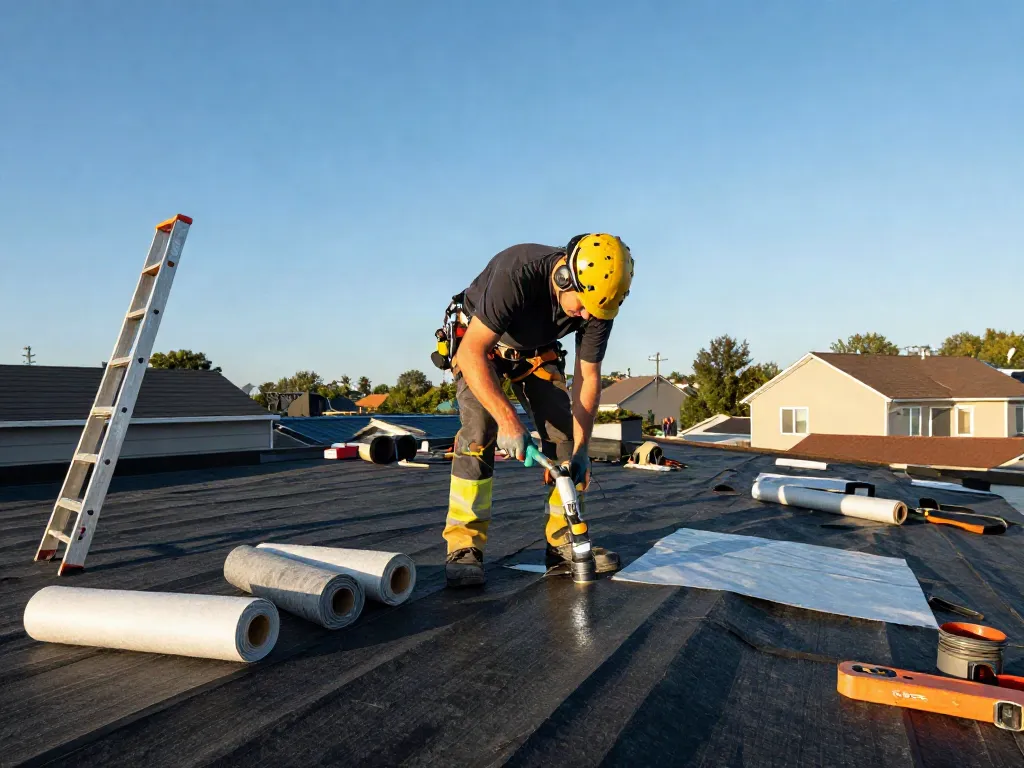
Understanding Felt Roofing: A Comprehensive Overview
Felt roofing is an increasingly popular choice for flat and low-pitched roofs, thanks to its durability and cost-effectiveness. This type of roofing provides a reliable barrier against weather elements, making it a prominent option for homeowners across the UK. However, not all felt roofing systems are created equal; understanding the nuances of this material can help you make informed decisions for your property. When exploring options, felt roofing provides comprehensive insights into installing, maintaining, and repairing these systems.
What is Felt Roofing and How Does It Work?
Felt roofing is a form of waterproofing often used on flat or low-sloped roofs. It typically consists of a base felt material, which is then coated with a protective layer to shield against wear and tear. The primary function of felt roofing is to provide a watertight seal that prevents moisture from penetrating the underlying structure. This is crucial, as water damage can lead to severe complications, including mold growth and structural degradation.
Types of Felt Roofing Systems Available
There are several types of felt roofing systems available, each designed to suit different needs and preferences. Common types include:
- Bitumen Felt: Traditional and widely used, this type comes in two main forms: torch-on and self-adhesive.
- Reinforced Felt: Incorporates fiberglass or polyester for added strength and durability.
- Modified Bitumen: Combines asphalt with modifiers for improved elasticity and resistance to extreme temperatures.
- Liquid Applied Systems: This newer technology involves applying a liquid membrane that cures into a seamless waterproof layer.
Benefits of Choosing Felt Roofing for Your Home
Many homeowners opt for felt roofing due to its numerous advantages:
- Cost-Effective: Felt roofing systems are relatively affordable compared to other roofing materials.
- Durability: When installed correctly, they can last up to 20 years or more, depending on the type and maintenance.
- Easy Installation: Many felt roofing products are designed for straightforward installation, saving time and labor costs during the process.
- Versatility: They can be used for various structures, including homes, garages, and extensions.
Finding Trusted Felt Roofing Specialists Near You
Locating reliable roofing specialists can be a daunting task, especially when you are facing urgent repairs. The process often requires substantial research to find contractors with a good reputation and the necessary expertise. By using services like Felt-Roof.co.uk, homeowners can find skilled professionals who specialize in felt roofing and understand local market conditions.
How to Identify Reputable Roofing Contractors
When searching for a roofing contractor, several factors can help you gauge their reliability. Look for contractors with:
- Positive Reviews: Online reviews and testimonials can provide insights into the contractor's reputation.
- Proper Licensing and Insurance: Ensure the contractor is licensed to operate in your area and holds the necessary insurance to protect against accidents.
- Experience: Contractors specializing in felt roofing will usually have a portfolio showcasing their previous work.
What Credentials to Look for in a Roofer
In addition to experience, verify the contractor's credentials thoroughly. This includes checking their:
- Qualification certifications in roofing.
- Membership in professional roofing associations.
- Liability insurance to cover potential damages during the project.
Customer Reviews and References: Making Informed Choices
It’s essential to ask for references and follow up with previous clients to gauge their satisfaction levels. A reliable contractor should readily provide this information. Speaking directly to past customers can help you understand the roofers' work ethic, quality of service, and any potential issues that may have arisen during the project.
Common Challenges with Felt Roofing
Despite its benefits, felt roofing can present some challenges. Awareness of these issues can help homeowners remain vigilant and proactive in maintenance and repairs.
Identifying and Resolving Leaks in Your Felt Roof
Leaks are one of the most common issues faced with felt roofing. Identifying these early is crucial to preventing more extensive damage.
- Inspect Regularly: Regular inspections can help detect minor leaks before they escalate.
- Watch for Water Stains: Interior ceiling stains can indicate a leak.
- Seek Professional Help: Don't hesitate to contact a roofing specialist if you suspect a significant leak.
Understanding Warranties and Guarantees
When investing in felt roofing, understanding the warranty and guarantee terms is vital. Most reputable contractors offer warranties covering both materials and workmanship. Ensure you have this documentation to protect your investment and understand your rights.
Maintenance Tips for Longevity
To ensure the longevity of your felt roofing, consider the following maintenance tips:
- Regular Cleaning: Remove debris and leaves that can trap moisture and promote mold growth.
- Inspect Flashings: Ensure that flashings are intact and replace them if necessary.
- Annual Inspections: Schedule professional inspections to catch potential problems early.
Comparing Quotes: Making the Right Financial Decisions
When it comes to roofing services, comparing quotes is crucial to making an informed financial decision. This process can help you find the right balance between cost and quality of service.
How to Request and Evaluate Roofing Quotes
Requesting quotes from multiple contractors is advisable. Ensure each quote includes detailed information regarding:
- Work scope and materials used.
- Expected timeframes for project completion.
- Payment schedules and terms.
Factors Affecting the Cost of Felt Roofing Services
Many factors can influence the cost of installing or repairing felt roofing, including:
- The size and complexity of the project.
- The type of felt system chosen.
- Accessibility of the roof and any additional structural requirements.
Determining Value vs. Price in Roofing Services
While it may be tempting to choose the lowest quote, it's essential to consider the overall value of the service. A higher-priced contractor may offer better quality materials and workmanship, which can save money in the long run due to reduced repair frequency and increased roof lifespan.
Future Trends in Felt Roofing for 2026 and Beyond
As technology and environmental awareness evolve, so do felt roofing systems. Understanding upcoming trends can help homeowners stay informed about their options.
Innovations in Felt Roofing Materials and Techniques
In 2026, expect to see advancements in materials that enhance durability and ease of installation. New synthetic materials and advanced bonding techniques are being developed to improve overall performance and extend the lifespan of felt roofs.
The Role of Sustainability in Roofing Choices
Sustainability is becoming increasingly relevant in construction. Homeowners are likely to consider eco-friendly materials and energy-efficient roofing solutions, which may include felt systems that utilize recyclable components.
Predicted Industry Changes and Homeowner Impacts
Anticipated changes in building regulations may also impact felt roofing. Homeowners should stay updated on local building codes that could affect installation practices and materials used.
What Should You Ask Your Roofer?
When hiring a roofer, asking the right questions is crucial for ensuring clarity and trust. Some questions to consider include:
- What type of felt systems do you recommend for my roof?
- Can you provide references from past clients?
- What is your warranty policy?
How to Prepare for a Roofing Installation?
Preparing for your roofing installation involves several steps:
- Clear the area around the worksite of any debris and obstacles.
- Inform your neighbors about the upcoming work to minimize disturbances.
- Ensure arrangements are made for pets and children’s safety during the installation process.
What are the Signs of Roof Damage to Look For?
Watch for these signs indicating potential damage to your felt roof:
- Visible tears or blisters in the felt material.
- Leaks or water stains on interior ceilings.
- Pooling water after rain.
Is Felt Roofing Suitable for All Roof Types?
While felt roofing is versatile and suitable for most flat and low-slope roofs, it's essential to evaluate your specific roofing system's requirements. Consulting with a professional can help determine if felt roofing is appropriate for your structure.
Can You Install Felt Roofing Yourself?
While it is possible for experienced DIY enthusiasts to install felt roofing, caution is advised. Improper installation can lead to significant issues later on. If you're unsure about your ability, hiring a professional is generally the safest course of action.
What are the Most Effective Felt Roofing Brands?
Some of the most reputable brands in the felt roofing industry include IKO, Marley, and Bauder. Each brand offers a range of products designed to meet various roofing needs, ensuring homeowners can find the right system for their specific requirements.