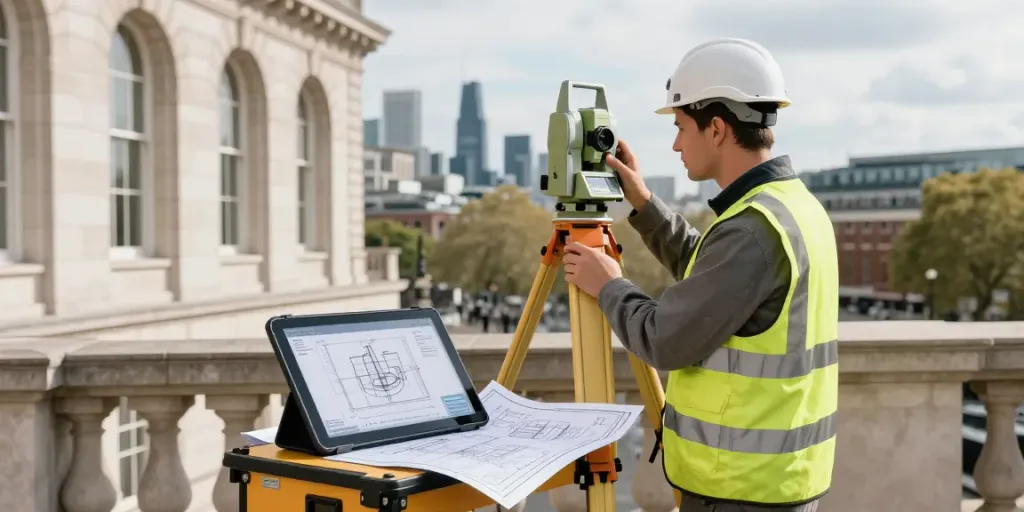
Understanding Measured Building Surveys
Measured building surveys play a critical role in the construction and architectural industries, particularly in urban settings such as London. By providing precise measurements and data regarding the dimensions and conditions of buildings, these surveys enable architects, engineers, and property developers to undertake projects with confidence. Utilizing advanced technology, such as laser scanning and total stations, Measured Building Surveyors London offer comprehensive insights that are essential for successful renovations, extensions, and restorations. This article explores the significance of measured building surveys, the technologies involved, and the challenges faced by professionals in this field.
What is a Measured Building Survey?
A measured building survey is an extensive assessment conducted to gather accurate data about a building's physical characteristics. This includes detailed measurements of height, width, and length, along with information on the layout and construction materials used. The resulting data can be depicted in various forms, such as floor plans, sections, and elevations, which are vital for architects and contractors alike.
Importance of Accuracy in Building Surveys
Accuracy is paramount in measured building surveys, as even the slightest error can lead to significant issues during construction. Accurate surveys ensure that all project stakeholders have a clear understanding of the existing structure, which aids in identifying potential problems before they escalate. Furthermore, regulatory compliance often necessitates precise measurements to meet local building codes and standards.
Key Technologies Used in Measured Surveys
Modern measured building surveys utilize a range of advanced technologies to ensure high precision and efficiency. Some key technologies include:
- Total Stations: These devices combine the ability to measure angles and distances, allowing surveyors to create detailed 2D and 3D models of the surveyed area.
- Laser Scanners: Capable of collecting millions of data points within a short time, laser scanners provide an accurate representation of a building's exterior and interior, forming a 3D point cloud.
- Photogrammetry: This technique uses photographs taken from various angles to create accurate 3D models, often used in combination with other methods for enhanced detail.
Why Choose Measured Building Surveyors London?
Choosing the right surveying firm can significantly impact the success of a project. Here’s why opting for Measured Building Surveyors London is a wise decision:
Expertise in Urban Environments
London's urban landscape is characterized by its unique challenges, including complex building layouts, historical structures, and limited space for access. Professionals in measured building surveying have the experience and tools needed to navigate these challenges, ensuring that every detail is captured accurately. Their expertise allows for tailored solutions that fit the intricacies of the city’s architecture.
Compliance with Industry Standards
Measured building surveyors must adhere to various local and national regulations. Professional surveying companies ensure that their methods and deliverables comply with the highest standards set forth by professional bodies such as RICS (Royal Institution of Chartered Surveyors). This compliance not only assures quality but also protects clients legally and financially.
Comprehensive Service Offerings
Beyond just measured surveys, many firms provide a range of services that can be invaluable throughout a property development project, including:
- Topographical surveys
- Underground utility mapping
- CCTV drainage surveys
- 3D visualisation and modellation
These services can be integral to ensuring a project's success from inception to completion.
Challenges and Misconceptions
Despite their importance, measured building surveys often come with challenges and misconceptions that can hinder their effectiveness. Awareness of these issues is crucial for stakeholders.
Common Misunderstandings about Surveying
One of the prevalent misconceptions is that measured building surveys are only for large-scale constructions. In reality, they are equally important for small renovations and extensions. Another misunderstanding is that all surveyors deliver the same quality of service, which can lead to subpar results if one chooses an inexperienced or less reputable firm.
Addressing Costs vs. Value of Measured Surveys
While the costs associated with measured building surveys may appear steep, it’s vital to consider the long-term benefits. Properly executed surveys can save time and money by preventing redesigns or reconstructions that often arise from errors or misunderstandings regarding the existing conditions of a building.
How to Choose the Right Surveyor?
When selecting a measured building surveyor, it’s important to consider their experience, qualifications, and portfolio of past projects. Additionally, client reviews can offer invaluable insight into their reputation and reliability. A good surveyor should also provide clear communication and a detailed explanation of their methods and deliverables.
Best Practices for Conducting Measured Surveys
To ensure that a measured building survey is effective, both clients and surveyors should adhere to best practices throughout the process.
Preparing Your Property for a Survey
Before the survey begins, property owners should ensure that the site is accessible and free from obstructions that may impede the surveyor's work. Informing the surveyor of any special conditions or concerns related to the property can also help them prepare adequately.
Understanding Survey Deliverables
Clients should have a clear understanding of what deliverables to expect from the survey. Common outputs include:
- 2D floor plans
- 3D models
- Elevation drawings
- Point cloud data for digital modelling
A detailed brief can help ensure that all necessary data is collected and delivered as required.
Post-Survey Steps for Property Development
Once the survey is completed, it's essential for clients to review the findings with their architects and contractors to integrate the information into their designs effectively. This collaborative approach can lead to innovative solutions and prevent costly mistakes.
The Future of Measured Building Surveys in London
The world of measured building surveys is evolving rapidly, driven by technological advancements and changing market demands.
Emerging Technologies in Surveying
New technologies, such as drone surveying and augmented reality (AR), are beginning to play a significant role in the surveying process. Drones can provide aerial views and data for larger sites, while AR can assist in visualising the project on-site, aiding decision-making.
Trends Impacting the Surveying Industry by 2026
As we move towards 2026, trends like sustainability and digitisation will increasingly shape the surveying landscape. There will be a need for surveyors to offer solutions that support green building practices and incorporate digital technologies into their workflows.
How Sustainability is Shaping Survey Practices
Sustainability is no longer just a buzzword; it's a central focus for many industries. For measured building surveyors, this means adopting practices that reduce environmental impact. This can involve using energy-efficient processes and materials, as well as providing data that helps clients make sustainable choices in their building projects.