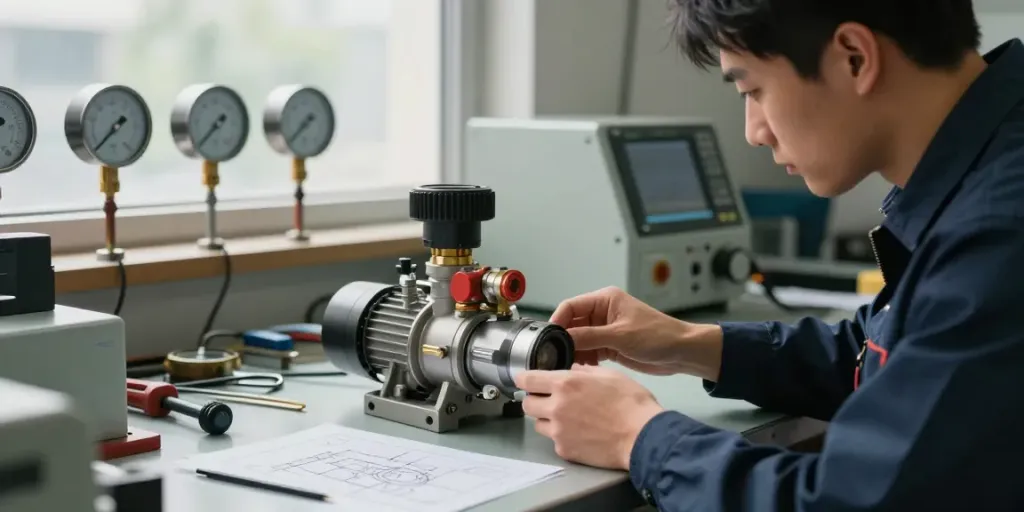
Understanding Water Pump Pressure Switches
Water pump pressure switches are essential components in various applications, ensuring the efficient operation of water pumps by regulating pressure levels. By automatically starting or stopping the pump within a preset pressure range, these switches help maintain consistent water pressure and protect the system from damage. In industrial and residential settings alike, understanding the functionality and benefits of these switches can lead to improved reliability and performance in water distribution and irrigation systems. When exploring options, water pump pressure switch solutions from reputable manufacturers provide comprehensive insights into available models and their applications.
What Is a Water Pump Pressure Switch?
A water pump pressure switch is a device that monitors the pressure within a water pumping system. It activates or deactivates the pump based on the pressure settings defined by the user. Typically, these switches consist of a sensing element, a mechanism to open or close electrical contacts, and a means for adjusting the pressure settings. The integral role they play in ensuring proper water flow makes them vital for both residential and industrial applications.
Key Functions and Benefits of Pressure Switches
Water pump pressure switches serve multiple functions that enhance the efficiency and longevity of water systems:
- Automation: Automates the operation of pumps, reducing the need for manual intervention.
- Protection: Protects pumps from running dry or over-pressurization, which can lead to mechanical failure.
- Energy Efficiency: Helps save energy by ensuring that pumps only operate when needed.
- Consistency: Maintains consistent water pressure for applications such as irrigation and domestic use.
Components of a High-Quality Pressure Switch
High-quality pressure switches typically include several key components: a diaphragm or piston for sensing pressure, a set of electrical contacts, and an adjustment mechanism. The materials used in these components are critical for durability and performance. Industrial-grade contacts and robust diaphragms are essential for longevity, allowing the switches to handle millions of cycles without failure.
Market Trends in Water Pump Pressure Switches
The market for water pump pressure switches is evolving rapidly, influenced by technological advancements and changing consumer needs. Understanding these trends helps manufacturers and end-users make informed decisions about their systems.
Emerging Technologies in 2026
By 2026, several emerging technologies are expected to shape the water pump pressure switch market:
- Smart Technology: Integration of IoT (Internet of Things) will enable remote monitoring and control, allowing users to adjust pressure settings from mobile devices.
- Enhanced Sensors: Development of more responsive sensors will improve accuracy in pressure detection, contributing to better performance and reliability.
- Energy Harvesting: New technologies that allow pressure switches to harvest energy from their surroundings will aim to eliminate the need for external power sources.
Demand Forecast in High-Volume Markets
As urbanization continues and water scarcity becomes a more pressing issue, the demand for reliable water pump pressure switches in high-volume markets, such as agriculture and urban infrastructure, is expected to grow significantly. These sectors require systems that can ensure consistent water supply while minimizing waste.
Impact of Regulatory Changes
Regulatory changes aimed at improving energy efficiency and reducing water waste will also impact the market. Compliance with these regulations may necessitate upgrades to existing systems, thereby increasing the demand for advanced pressure switches that meet new standards.
Choosing the Right Pressure Switch for Applications
Selecting the correct pressure switch is crucial for maximizing performance in various applications. Factors such as the intended use, pressure range, and compatibility with other components should be considered.
OEM vs Aftermarket Solutions
Original Equipment Manufacturer (OEM) pressure switches are designed specifically for certain models of pumps, ensuring optimal performance. In contrast, aftermarket solutions may offer broader compatibility but can vary significantly in quality and reliability. Choosing between the two requires weighing the benefits of tailored performance against potential cost savings.
Customization Options and Their Importance
Customization options for pressure switches can include tailored pressure settings, connectors, or even housing colors. For OEMs, these adjustments can create differentiated products that enhance brand recognition and facilitate exclusive contracts. Understanding the specific needs of customers can lead to better sales and increased customer satisfaction.
Compatibility Across Common Brands
Ensuring compatibility with commonly used pump brands is essential. High-quality pressure switches should offer broad compatibility, making them suitable for various applications in both the OEM and aftermarket sectors. This versatility simplifies inventory management and reduces stock costs for distributors.
Installation and Maintenance Best Practices
Proper installation and maintenance of water pump pressure switches can significantly extend their lifespan and improve system performance.
Step-by-Step Installation Guide
The installation of a water pump pressure switch involves several key steps:
- Ensure all power sources are disconnected.
- Remove the existing switch (if applicable) by unscrewing it from the pump system.
- Install the new pressure switch, ensuring all connections are secure and leak-proof.
- Adjust the pressure settings according to the manufacturer's specifications.
- Restore power and test the system to ensure correct operation.
Common Issues and Troubleshooting
Water pump pressure switches can encounter various issues, including:
- Failure to Activate: This may be due to incorrect pressure settings or a faulty switch.
- Frequent Cycling: This issue often arises from improper pressure differential settings.
- Leaking Connections: Check all fittings for tightness if leaks are observed.
Maintenance Tips for Longevity
To ensure long-term reliability, regular maintenance checks should include:
- Inspecting electrical connections for corrosion or wear.
- Cleaning the pressure sensing diaphragm area.
- Regularly testing the operation of the switch under various pressure conditions.
Future-Proofing Your Water Pump Pressure Switch Systems
With continuous advancements in technology and evolving market demands, future-proofing your water pump pressure switch systems is essential.
Adapting to Evolving Industry Standards
Keeping abreast of changes in industry standards and regulations can help manufacturers and users maintain compliance. Regular training and updates for technicians involved in installation and maintenance can ensure systems meet the latest requirements.
Leveraging Data for Performance Optimization
As the industry moves toward data-driven solutions, leveraging information gathered from smart pressure switches can lead to substantial performance optimization. Analyzing usage patterns can provide insights into maintenance needs and operational efficiency.
Innovations on the Horizon: What to Watch For
The future of water pump pressure switches looks promising with the increase in innovations like predictive analytics, machine learning applications for performance monitoring, and even AI-driven automation that can further streamline operations and enhance system reliability.