Understanding the Basics of Small Bathroom Remodel
Embarking on a small bathroom remodel can be both exciting and daunting. A well-executed redesign can enhance functionality, add value to your home, and create a space that reflects your personal style. However, small bathrooms come with their unique set of challenges and considerations that must be addressed during the planning and execution phases.
Common Challenges Faced in Small Bathroom Remodel
Small bathrooms often present a series of obstacles, including limited space, poor lighting, and outdated fixtures. Here are some common challenges you may face:
- Space Constraints: Fitting all necessary components into a tiny area requires creative solutions.
- Storage Issues: Lack of storage can lead to clutter and disorganization.
- Design Limitations: Traditional layouts may not apply; innovative designs are essential for optimization.
- Budget Considerations: Costs can escalate quickly, necessitating careful financial planning.
Assessing Your Space for a Successful Remodel
Before launching into a remodel, conducting a thorough assessment of your current bathroom is vital. Take measurements of the space, and note existing fixtures, plumbing locations, and lighting sources. This assessment will inform effective design decisions and ensure that your layout maximizes functionality while adhering to style preferences.
Key Elements to Consider in Your Design
When planning your design, consider the following elements:
- Layout: An open layout can create the illusion of more space.
- Lighting: Adequate lighting improves visibility and can enhance the overall ambiance of the room.
- Materials: Selecting light-colored materials can help make the space feel larger.
- Fixtures: Opt for streamlined and space-saving fixtures to maintain functionality without crowding.
Planning Your Small Bathroom Remodel Efficiently
A successful remodel is rooted in careful planning. This section will guide you through creating a detailed plan, helping you navigate the complexities of the remodeling process.
Creating a Functional Layout
Functional layouts are crucial for ensuring ease of use. Consider the following options:
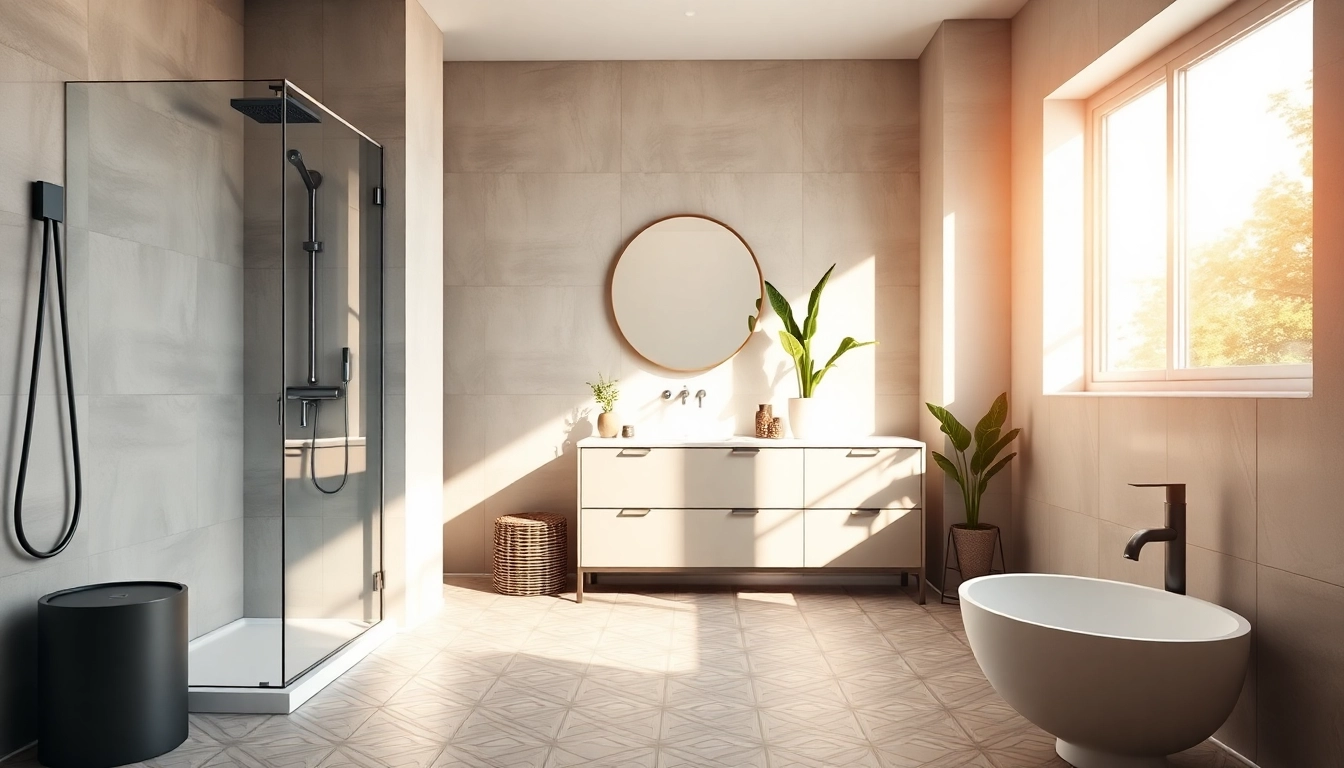
- Floating Vanities: These add space both visually and physically, allowing for more floor visibility.
- Corner Sinks: Place sinks strategically in corners to free up walking space.
- Shower vs. Bathtub: Evaluate whether a shower, which takes up less space, might be preferable to a traditional bathtub.
Choosing the Right Materials
Material selection can dramatically affect both the aesthetics and functionality of a small bathroom. Here are considerations to keep in mind:
- Water-Resistant Materials: Use materials like porcelain tiles or waterproof paint that withstand moisture.
- Light Colors: Wish to create an illusion of space? Consider materials in whites, light grays, or pastels.
- Durability: Opt for materials designed to resist wear and tear to reduce future maintenance.
Setting a Realistic Budget
Budgeting is critical, especially when dealing with smaller spaces. Consider the following tips:
- Itemize Your Needs: List all necessary supplies and labor costs to obtain a comprehensive price estimate.
- Contingency Funds: Allocate 10-20% of your budget for unexpected expenses that frequently arise during renovation.
- Research Costs: Investigate average costs for materials and appliances to avoid overspending.
Design Trends for Small Bathroom Remodel
Incorporating design trends can help personalize your small bathroom while optimizing space. Explore the latest trends that enhance style and function.
Incorporating Modern Features
Modern features can transform a small bathroom into a stylish retreat. Consider these options:
- Smart Technology: Smart showers and mirrors with built-in lighting and Bluetooth capabilities can modernize your space.
- Floor-to-Ceiling Tiles: This technique draws the eye upward, creating the illusion of a taller space.
- Hidden Fixtures: Incorporate features like wall-mounted faucets to maximize space and streamline designs.
Color Schemes That Work for Small Spaces
The right color scheme can amplify the perception of space. Here are effective color strategies:
- Monochromatic Palettes: Use various shades and textures of a single color for a cohesive look.
- Accent Walls: Employ bold colors or patterns on one wall to create a focal point without overwhelming the space.
- Lighter Tones: Soft tones reflect light and enhance the atmosphere, making smaller areas feel expansive.
Innovative Storage Solutions
Effective storage solutions are essential in small bathrooms. Consider creative approaches such as:
- Vertical Storage: Use wall-mounted shelves or cabinets to take advantage of unused vertical space.
- Under-Sink Storage: Utilize close-off units with baskets or drawers to hide unsightly items.
- Mirrored Cabinets: Combining storage with functionality, mirrored cabinets can enhance both storage and light in a small area.
Execution: Making Your Small Bathroom Remodel a Reality
With a solid plan in place, it’s time to execute your small bathroom remodel. This section will guide you through implementation strategies.
Hiring Professionals vs. DIY
One of the essential decisions is whether to hire professionals or take the DIY route. Evaluate the pros and cons of each:
- Hiring Professionals: Ensures skilled execution and compliance with building codes, but is generally more expensive.
- DIY Approach: Cost-effective and allows for personal touch, but requires time, effort, and construction know-how.
Timeline for Your Remodeling Project
Understanding the timeline for your remodel is crucial for setting expectations. Factors influencing the timeline include:
- Scope of Work: Simple updates will take less time than a complete overhaul.
- Professional Availability: Skilled tradespeople may have waiting lists, extending project length.
- Material Sourcing: Delays in obtaining materials can impact how quickly your project is completed.
Permits and Regulations to Consider
Depending on the extent of your remodel, securing permits may be necessary. Be aware of local regulations concerning:
- Plumbing Works: Changes to plumbing may require permits and inspections.
- Electrical Adjustments: Modifications in electrical layouts often necessitate permits for safety compliance.
- Building Codes: Familiarize yourself with local building codes to ensure your remodel remains compliant.
Maintaining Your Newly Remodeled Bathroom
Once the remodel is complete, maintenance is key to preserving your new space. This section provides insights for upkeep and longevity.
Cleaning Tips for Small Bathrooms
Regular cleaning maintains hygiene and enhances the appearance of your small bathroom. Here are some cleaning techniques:
- Daily Wipes: A quick wipe-down of surfaces daily can help maintain cleanliness and avoid heavy buildup.
- Proper Ventilation: Use exhaust fans to prevent mold and mildew while promoting a fresh environment.
- Multi-Purpose Cleaners: Utilize effective, all-purpose cleaners that tackle multiple surfaces and are easy to use.
Renovation Upkeep: What to Watch For
After a remodel, keep an eye on key areas that may require maintenance:
- Sealants: Check the integrity of caulk and sealants around sinks and tubs to prevent leaks.
- Plumbing Issues: Regularly inspect for leaks or water pressure changes that may signal plumbing problems.
- Surface Wear: Periodically assess surfaces for wear and tear, addressing issues before they escalate.
Maximizing Longevity of Your Remodel
Preserving the quality and aesthetic of your bathroom remodel can be achieved through careful practices:
- Routine Maintenance: Schedule regular cleanings, checks, and repairs to ensure lasting quality.
- High-Quality Materials: Invest in durable materials to minimize repairs and maintenance over time.
- Temperature Control: Avoid exposing materials to extreme temperatures which could cause damage.
Frequently Asked Questions
What is the average cost of a small bathroom remodel?
The average cost can vary widely depending on the scope of work and materials chosen, typically ranging from $5,000 to $15,000.
How long does a small bathroom remodel usually take?
A small bathroom remodel can take anywhere from two weeks to several months, depending on the project’s scope and any unexpected delays.
Do I need a permit for a small bathroom remodel?
Permits may be required for electrical, plumbing, or structural changes. Always check local regulations to be sure.
How can I make my small bathroom appear larger?
Using light colors, mirrors, and open shelving can create an illusion of space while enhancing functionality.
Is it better to hire a contractor or do it myself?
Hiring a contractor ensures professional quality and adherence to codes, while DIY is more budget-friendly but requires skill and time.